
Most renovation plans start in the wrong room. The kitchen is what you see every day, the bathroom is what guests judge, so that's where the budget wants to go first. And that instinct, natural as it is, has flooded more new kitchens and cracked more fresh tile than any other mistake in this trade.
The order of operations exists because renovation work builds on itself. Water finds new finishes, old wiring hides behind new drywall, and settling structure telegraphs through whatever you lay over it. After fifteen-plus combined years renovating Calgary homes, this is the sequence we plan by, and it's the one we'd use on our own houses. For a scope conversation about where your home sits in it, the free quote form is the fastest start.
Key takeaways
- Renovate in this order: envelope, structure, mechanical systems, kitchens and bathrooms, then finishes.
- Anything that keeps water out of the house outranks anything that looks good in photos.
- Open walls are cheap to work in and expensive to reopen. Finish everything behind them before closing.
- Phasing a big wishlist across seasons works well if each phase ends at a natural boundary.
The order that protects your money
The sequence is envelope first (roof, siding, windows, grading), structure second, mechanical third (wiring, plumbing, heating), kitchens and bathrooms fourth, and finishes last (flooring, paint, trim). Each layer protects the one after it, which is why running the list backwards ruins budgets.
Notice what that order really says: spend on protection before decoration. It's not glamorous advice. It's just the version of events where your year-two self isn't tearing out year-one work.
Start outside: the envelope pays for everything else
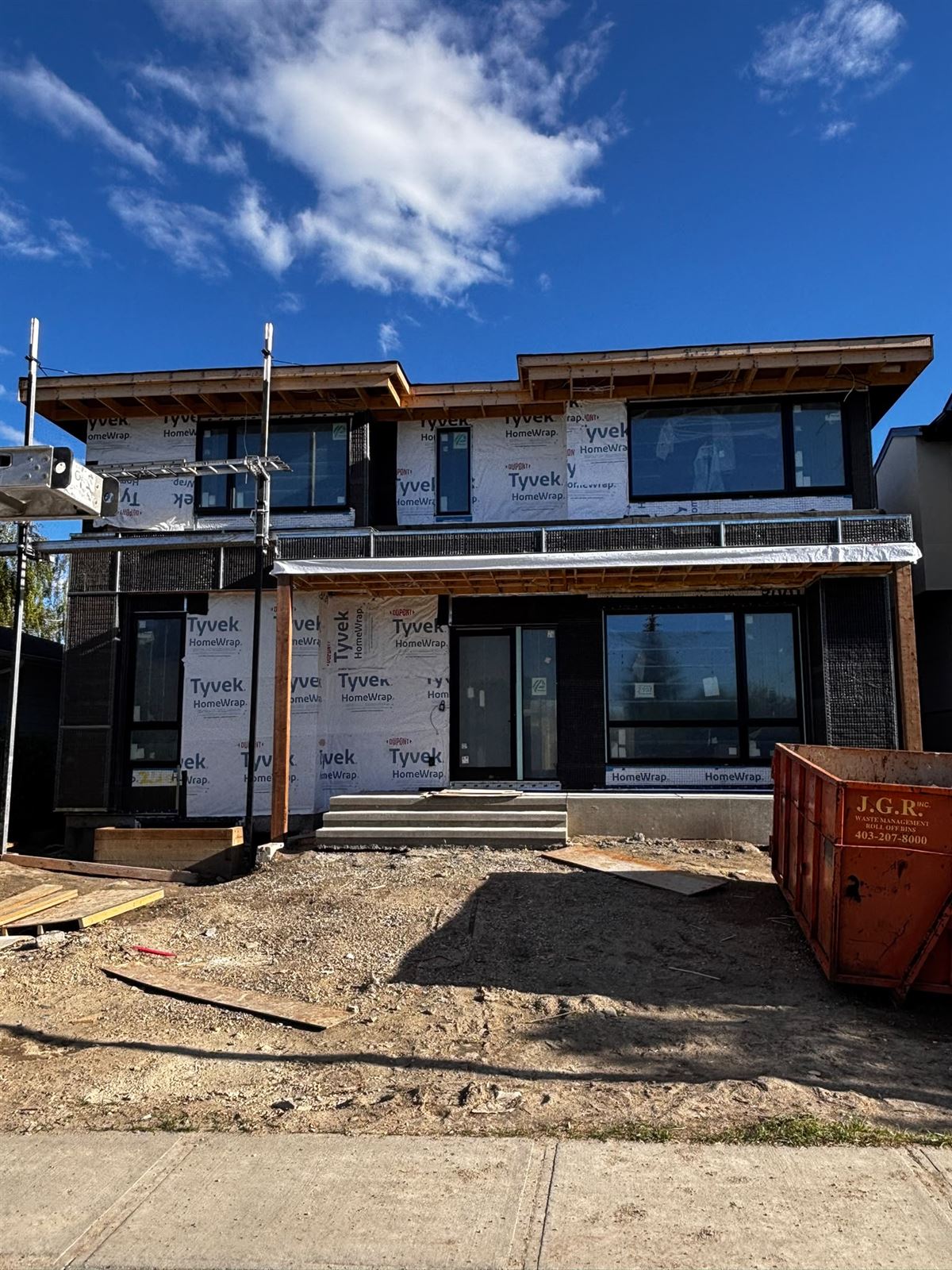
The envelope is everything separating inside from outside: roof, siding, windows, doors and the grading that moves water away from your foundation. If any of it leaks, every interior dollar you spend is at risk, so a failing envelope always jumps the queue, whatever the original plan said.
Older Calgary homes fail here in predictable spots. Shingles past their service life, original windows fogging between panes, siding with decades of hail history, and lot grading that has settled toward the house instead of away from it. None of it photographs well on a before-and-after. All of it decides whether the after lasts.
The upside is that envelope work compounds. A tight roof, sound siding and sealed openings cut heating bills every month while they protect the interior work to come. It's the only renovation phase that pays rent while you plan the next one.
Structure and the stuff behind the walls
With the weather locked out, fix what the house stands on and what runs through it: foundation cracks, sagging beams, aging wiring, galvanized or poly-b plumbing, and heating that's on borrowed time. This work is invisible when finished and miserable to redo after drywall, which is exactly why it comes now.
Older homes here hide era-specific surprises. Houses from certain decades carry aluminum wiring or poly-b water lines, both of which insurers ask pointed questions about. Budget honestly for what your home's era usually hides, and treat any surprise found behind a wall as a scheduled stop, with photos and options before work continues.
Permits live in this phase too. Structural, electrical and plumbing changes in Alberta need to meet the provincial building code, and Alberta's building codes and standards govern what compliant work looks like. Pulled permits protect resale value; skipped ones surface at the worst possible moment, usually during a sale.
Planning a multi-room renovation and not sure what your house needs first? Describe it with a few photos and we’ll map the honest sequence in a written proposal.
Get a Free QuoteKitchens and bathrooms: the payoff phase
Once the envelope is tight and the mechanical work is done, kitchens and bathrooms become safe money. These are the rooms that change how the house lives and what it's worth, and doing them fourth means their plumbing and wiring were planned during the mechanical phase instead of improvised around finished walls.
Sequencing inside this phase matters as much as between phases. Cabinets before counters, counters templated before backsplash, ventilation planned before the ceiling closes. A kitchen is thirty decisions in the right order, which is most of what you're hiring when you hire a contractor.
Bathrooms carry one extra rule: waterproofing is structure, not decoration. The membrane behind the tile decides whether year eight is uneventful, and it's the line item that disappears first from lowball quotes.
The older-home surprise list
Houses built before the early nineties can hide materials that change how work proceeds: vermiculite insulation, asbestos-containing drywall mud, floor tile and pipe wrap from certain eras, plus knob-and-tube or aluminum wiring in the oldest stock. Alberta rules require suspect materials to be tested before they're disturbed, and proper handling if tests come back positive.
This isn't a reason to fear an older home. It's a reason to budget a contingency and to hire people who test first instead of discovering mid-demolition. A surprise found by a lab report costs a pause; the same surprise found by a reciprocating saw costs a remediation.
The rest of the surprise list is friendlier: framing that isn't square, floors that dip toward old settling, and previous owners' creative wiring. Good crews expect all of it in a house with history, and a written proposal should say how changes get priced when the walls open.
How long each phase really takes
Relative durations help planning more than dates. Envelope projects usually run days to a few weeks per trade. Mechanical rough-ins move fast, but they wait on permits and inspections. Kitchens and bathrooms carry the longest tail because cabinets, counters and fixtures arrive on supplier schedules, not yours. Finishes go quickest of all, once nothing interrupts them.
The planning trick is ordering long-lead items early. Windows, cabinets and speciality fixtures get measured and ordered during the phase before they're needed, so the schedule never stalls waiting on a delivery. That's coordination work, and it's most of what a good contractor's calendar looks like.
Finishes last. Always.
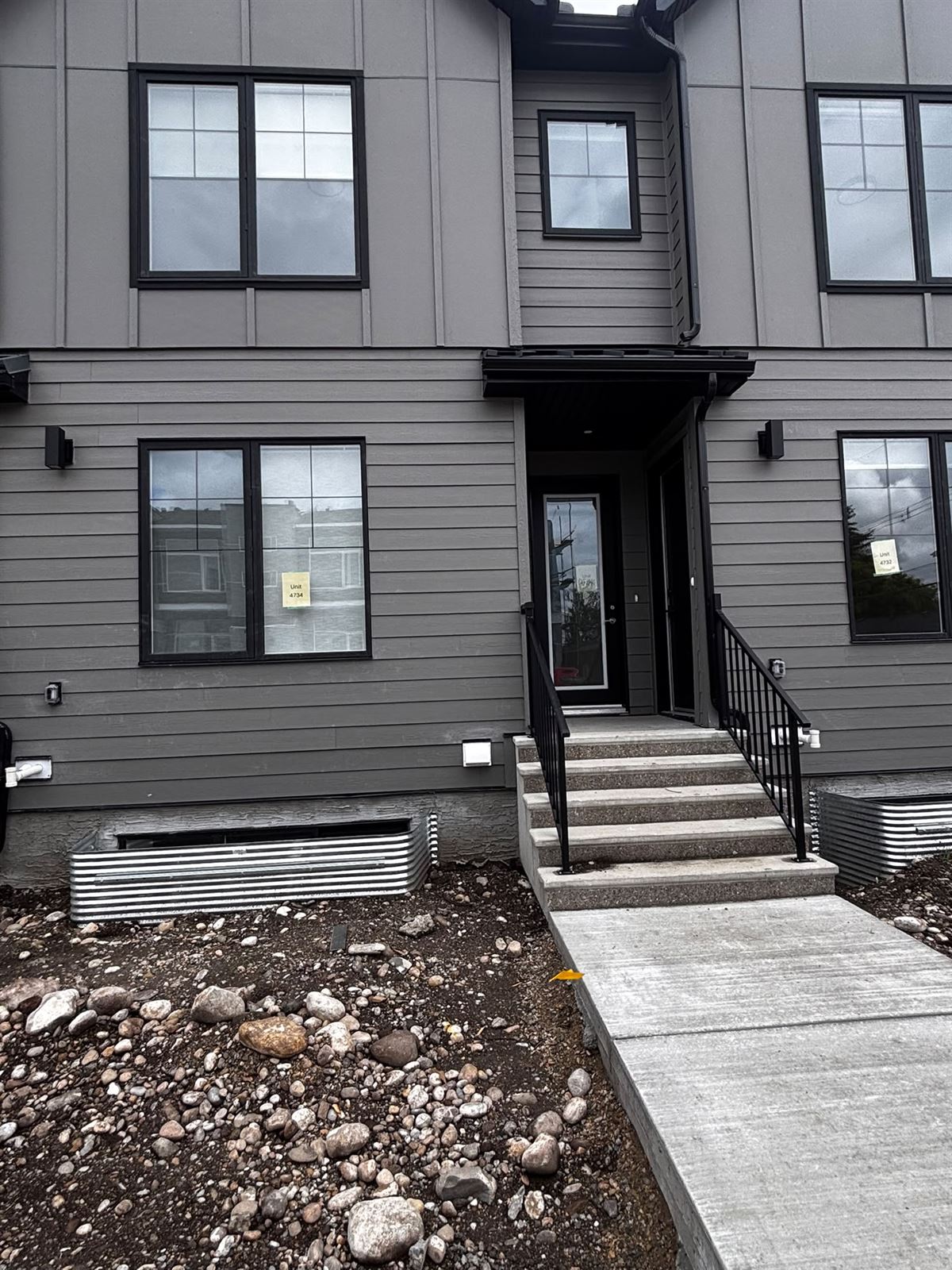
Flooring, paint, trim and doors come at the end because every earlier phase endangers them. Drywall dust settles into fresh floor finish, tradespeople's boots and dropped tools take their toll, and a wall opened for a forgotten wire ruins a painted room. Finish work rewards patience like nothing else in the sequence.
Flooring choice ties back to the whole plan. Wide-plank flooring across a main floor looks best installed in one continuous run, which argues for holding it until every room in the run is otherwise done. Our flooring installation page covers how subfloor prep and acclimatization fit that timing in Calgary's dry air.
Phasing without redoing work
Few budgets swallow the whole list at once, and they don't need to. A well-phased renovation breaks at natural boundaries, envelope one year, mechanical and a bathroom the next, kitchen and floors after that, so no phase reopens the last one. What kills phased plans is splitting mid-system, like wiring half a floor.
This is where a general contractor earns their fee on paper before earning it on site: mapping your wishlist against the sequence, pricing each phase in writing, and making sure phase one's work anticipates phase three's plumbing. The wishlist stays the same. The order is what protects it.
Your next step
Write your wishlist in any order, then let the sequence sort it. Send the list and a few photos through the free quote form or call (587) 581-0198, and you'll get a written proposal that maps your projects against the order above, phased to fit how you want to spend. The homes that renovate cheapest are the ones that never do anything twice.
Frequently asked questions
What renovation adds the most value to an older Calgary home?
Kitchens and bathrooms carry the headline value, but on older homes the envelope and mechanical work protect that value. Buyers and inspectors punish aging roofs, original wiring and damp basements harder than they reward new counters, so the sequence itself is a value strategy.
Should I renovate before selling my house?
Selective work usually beats a full renovation for resale. Envelope repairs, paint and flooring photograph well and remove inspection red flags, while a full custom kitchen rarely returns its cost at sale. We’ll tell you honestly which projects make sense for a sale timeline.
Can I live in my house during a renovation?
Usually, yes, with phased scheduling. Rooms get sequenced so a working kitchen or bathroom stays available, and dust barriers keep living areas usable. Whole-home mechanical work is the one phase where a short stay elsewhere sometimes saves money and sanity.
Do interior renovations need permits in Alberta?
Cosmetic work like paint and flooring doesn’t. Structural changes, new plumbing, electrical work and basement development do, under Alberta’s building code. Permit scope gets built into our proposals so inspections are checkpoints rather than surprises.
How do I plan a renovation budget in phases?
Set the full wishlist first, then break it at natural boundaries so no phase reopens finished work: envelope, then mechanical plus a bathroom, then kitchen and floors. A written proposal for the whole sequence, priced per phase, lets you commit one phase at a time with open eyes.
About Silverstone Reno & Construction
Silverstone Reno & Construction Ltd. is a Calgary renovation and exterior company with 15+ years of combined experience across roofing, siding, decks, fences and full renovations. Every project gets a written proposal, one point of contact and a workmanship guarantee. Call (587) 581-0198 or start a free photo quote any time.